11 Low-Maintenance Small Garden Ideas That Look Beautiful With Minimal Effort
If you want an outdoor space that feels calming—not like another chore—low-maintenance small garden designs are the way to go. Whether you’re working with a compact city backyard or a cozy corner of a rural home, smart choices can help you create a beautiful garden without constant upkeep.
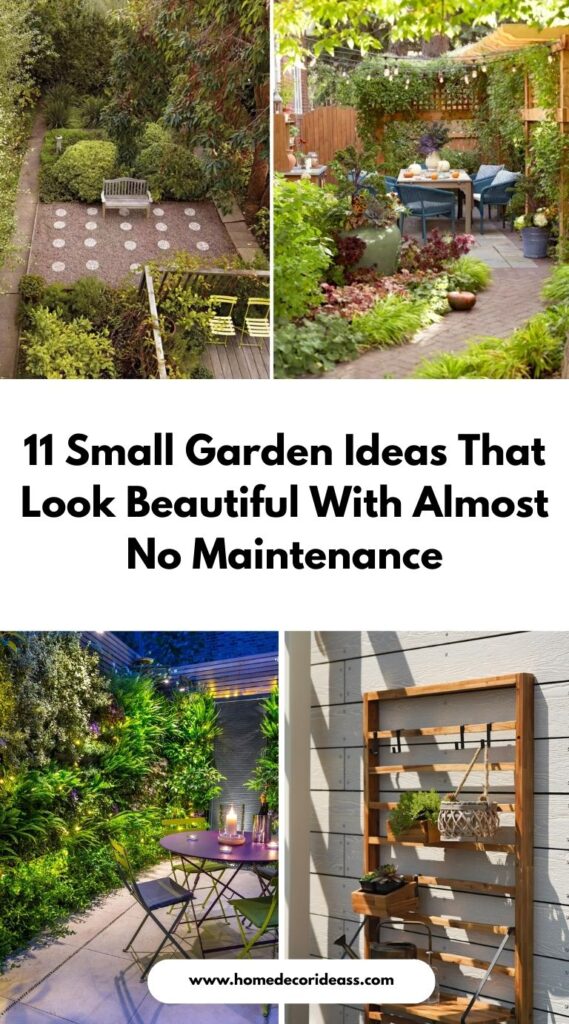
From plant selection to layout decisions, these ideas will help you avoid common mistakes and design a small garden that’s easy to manage, affordable, and genuinely relaxing.
1. Keep It Simple
In a small garden, overcrowding quickly becomes overwhelming. Too many plants, decorations, and furniture pieces can make the space feel cluttered—and harder to maintain. A minimalist approach with fewer plant varieties and streamlined hardscaping creates a peaceful look while saving you time and effort.
:strip_icc():format(webp)/garden-patio-grennery-with-pea-gravel-9899a3b0-4bbae5ab340e4d5b8c1c895e80d0c7e7.jpg)
2. Choose Perennials and Shrubs
Annuals may look stunning, but replanting them every year adds up in both time and cost. Perennials and hardy shrubs return season after season, providing reliable structure and long-term beauty. While they may cost more upfront, they’re a smarter investment for a low-maintenance garden.
:strip_icc():format(webp)/aerial-view-outdoor-seating-8e873dc4-457c7e3105164a9bb1a16e7ecb94a3eb.jpg)
3. Skip the Traditional Lawn
Even a small patch of grass demands regular mowing, watering, and fertilizing. Instead, replace turf with shrubs, ground covers, or perennials for a layered, dynamic look. If you love the openness of a lawn, consider clover—it’s attractive, eco-friendly, and far easier to care for.
:strip_icc():format(webp)/vegetable-garden-brick-patio-cedar-planter-V2-a780bdc5-f401d67cfd6d46d78a8987a53494ee51.jpeg)
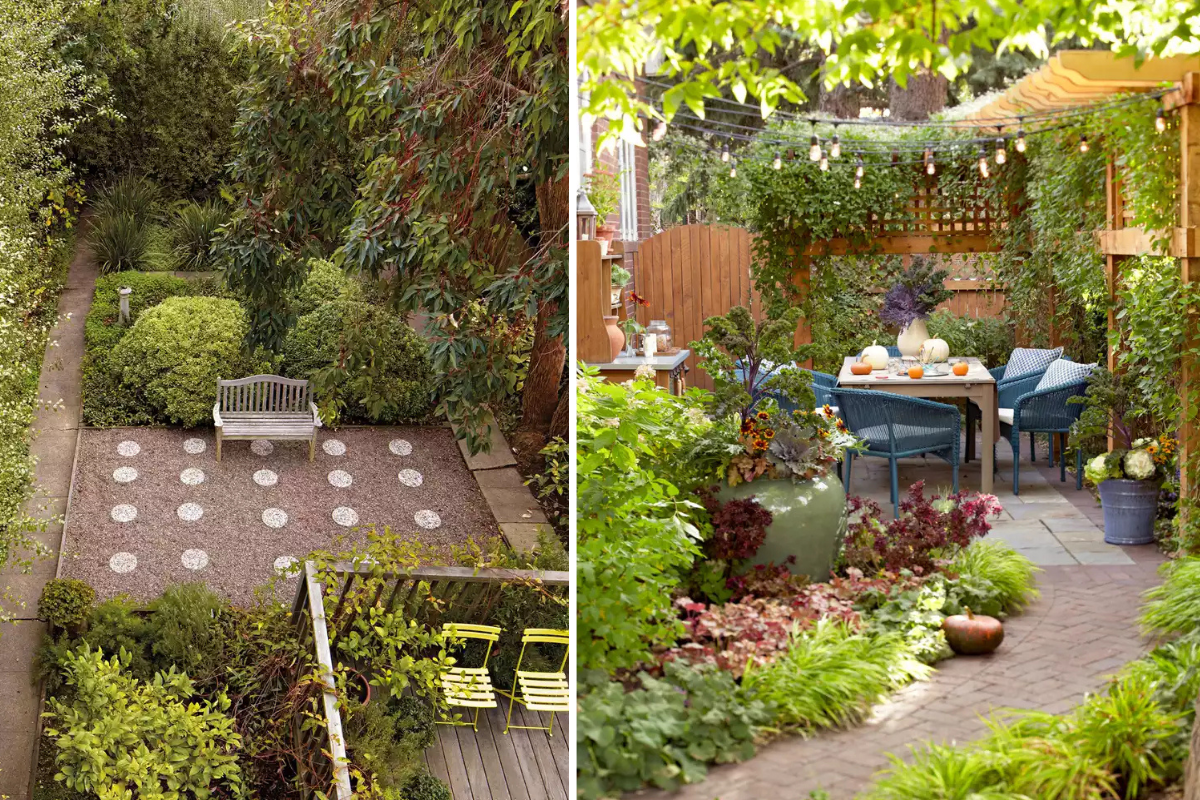
4. Try a Gravel Garden
Gravel gardens are an excellent low-effort alternative to traditional beds. Start by improving your soil, then add a 5–6 inch layer of gravel. Plant perennials and bulbs beneath it and let them grow through. Gravel suppresses weeds, improves drainage, and keeps the garden looking polished year-round.
:strip_icc():format(webp)/above-view-patio-garden-landscaping-7f021f9b-b1dd80c42a9c482d84e4bc7d4f5cb905.jpg)
5. Go Native
Native plants are naturally adapted to your local climate, meaning they need less water, fertilizer, and protection. They’re also better for local wildlife and pollinators, making your garden both easier to maintain and environmentally beneficial.
:strip_icc():format(webp)/butterfly-flowers-coneflowers-echinacea-102658155-647899175ce34490a404cf16aa631b1d.jpg)
6. Install Drip Irrigation
Watering can quickly become the most time-consuming garden task. A drip irrigation system or soaker hose delivers water directly to plant roots, minimizing waste and keeping plants healthy. Once installed, it saves time, effort, and water.

7. Embrace a Natural Look
Highly manicured gardens may look elegant, but they require constant attention. A more relaxed, naturalistic style—think meadow-inspired planting around a seating area—reduces maintenance while creating a charming, lived-in feel.
:strip_icc():format(webp)/garden-butterfly-daisy-102658213-706d643c88764cdea77c77e59293bde6.jpg)
8. Choose Slow-Growing Plants
Fast-growing plants may look impressive at first, but they require frequent trimming and control. Slow-growing plants, such as dwarf shrubs or compact grasses, maintain their shape longer and need far less pruning—ideal for a low-maintenance small garden.
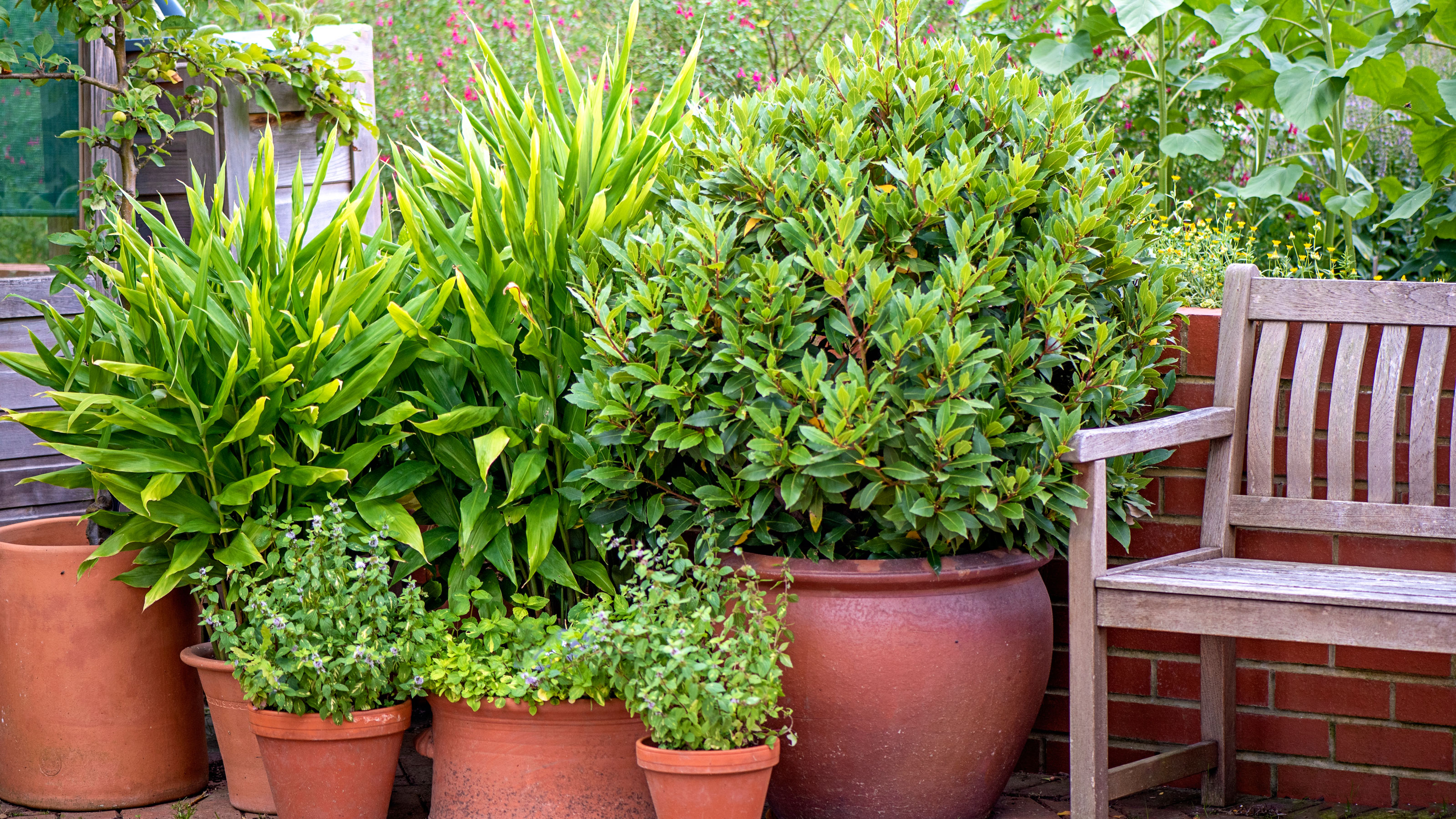
9. Limit Container Plants
Containers dry out quickly and need frequent watering and feeding. Instead of filling your garden with small pots, opt for one or two large planters made from moisture-retaining materials. You’ll still enjoy visual impact without the daily upkeep.
:strip_icc():format(webp)/lush-garden-patio-trellis-lights-faad2ed8-03ca646011a4413a8fb6186f4e221d96.jpg)
10. Use Vertical Gardening
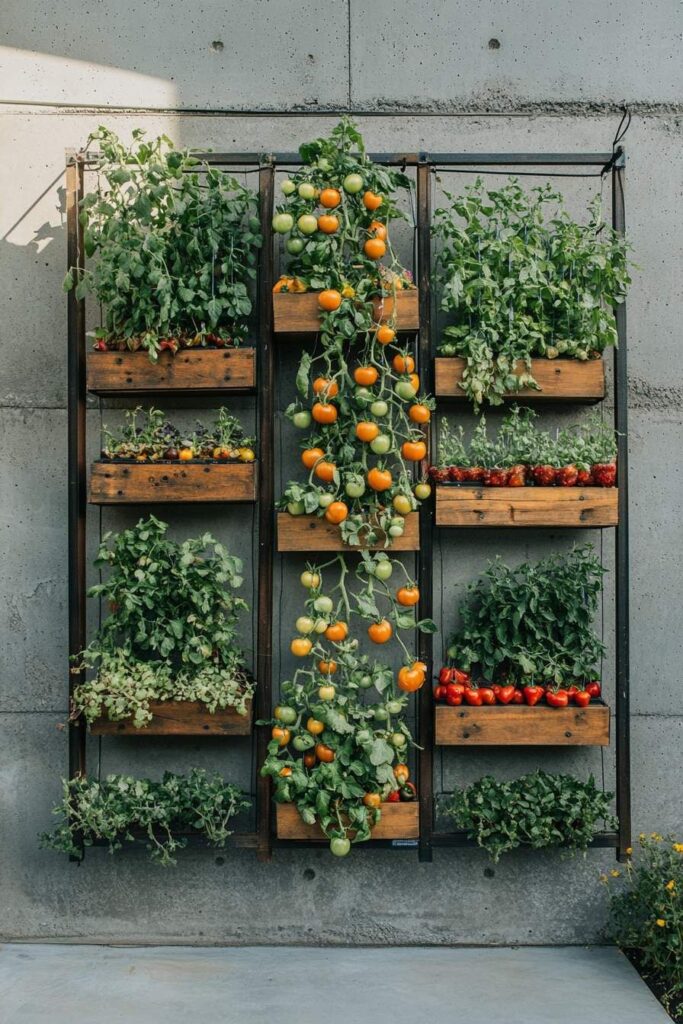
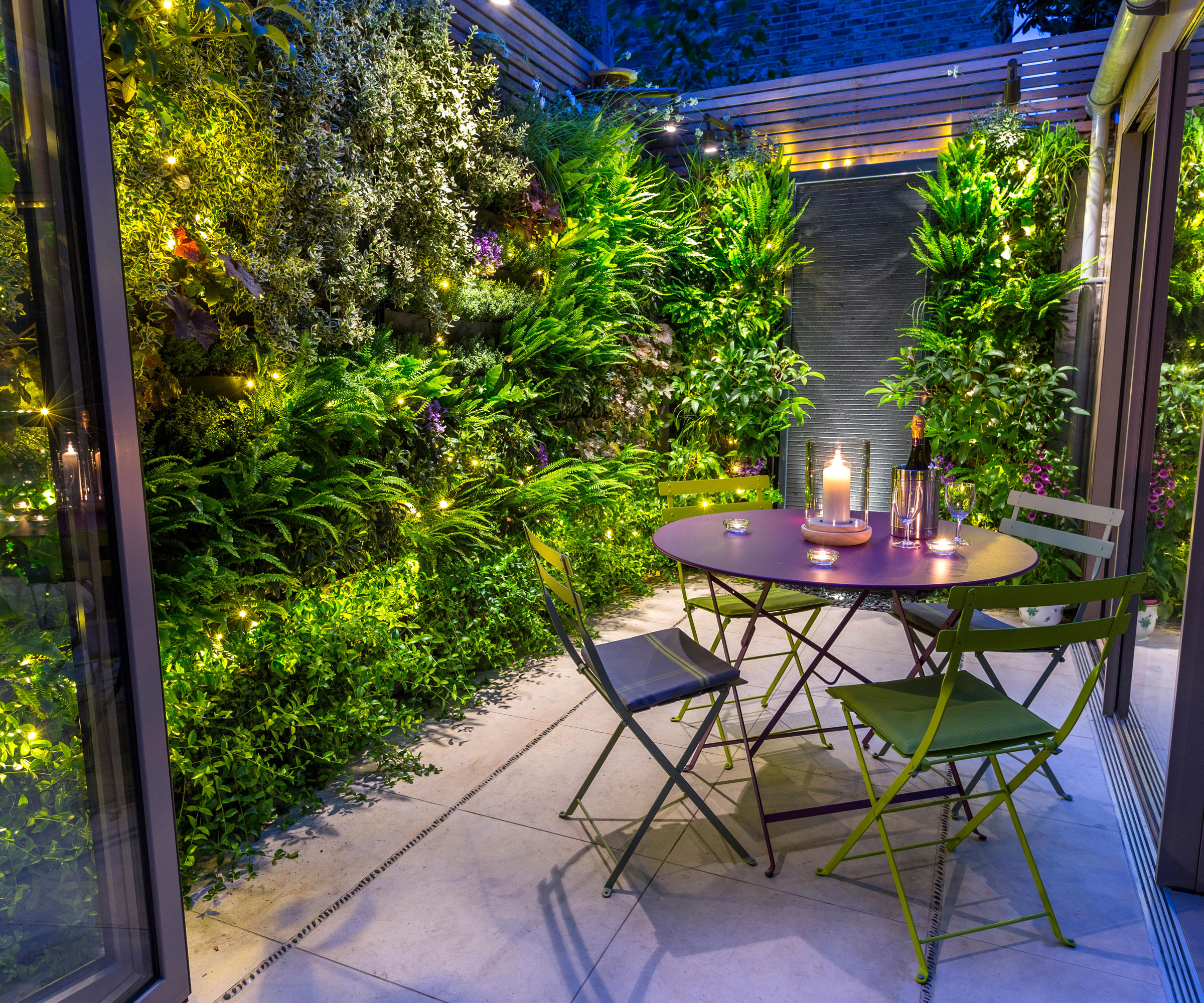
When space is limited, growing upward is smarter than spreading out. Vertical gardens using wall planters, hanging pots, or trellises save ground space and reduce weeding. They also keep your garden looking organized and airy while adding visual interest without extra maintenance.
11. Fill Out Garden Borders
Dense border planting with perennials and compact shrubs helps define your space and naturally suppresses weeds. The fuller the planting, the less time you’ll spend pulling unwanted growth.
:strip_icc():format(webp)/native-plants-garden-bird-bath-80jetLPr4EIARKyCf2ikeS-6c56e8fd5f87447ba6c58fdd37969ab3.jpg)
12. Be Smart About Water
Choose drought-tolerant plants that suit your climate, especially in dry regions. Water features can be beautiful, but they add maintenance and increase water use—so keep them minimal if your goal is ease.
:strip_icc():format(webp)/bhg-deergrass-native-plant-_JF_30009-84f1eaee72c348709ed8034635c663f6.jpg)
13. Add a Comfortable Seating Area
A small seating area transforms your garden into a place you’ll actually use. Hard surfaces like brick or stone reduce weeds and water needs while adding charm. Simple DIY furniture can make the space cozy without complicating maintenance.
:strip_icc():format(webp)/outdoor-seating-area-couch-rug-80fc9340-867651da5bf64b9ebd331f664517e155.jpg)
14. Mulch Bare Soil
Mulch is one of the easiest ways to cut down on weeding and watering. A thick layer keeps moisture in, prevents weeds from sprouting, and gives your garden a clean, finished look that lasts for years.
:strip_icc():format(webp)/placing-mulch-garden-77b24d5e-d203b9da6a8a4836b4ceca656f90e09e.jpg)
15. Add Multi-Functional Features
Select garden elements that serve more than one purpose. Built-in seating with storage, raised beds that also act as borders, or tall planters that double as privacy screens reduce clutter and maintenance. Fewer items with multiple functions make a small garden easier to manage.
Final Thoughts
Designing a small garden doesn’t have to mean constant upkeep or high costs. With thoughtful planning, the right plant choices, and a focus on simplicity, you can create an outdoor space that feels calm, beautiful, and easy to manage. Small gardens thrive when every element has a purpose—whether it’s low-maintenance plants, smart watering systems, or multi-functional features.
Remember, a garden should be a place to relax and enjoy, not another item on your to-do list. By avoiding common design mistakes and embracing practical, low-effort solutions, your small garden can become a rewarding retreat you’ll love spending time in—season after season.