25 Genius Vegetable Garden Design Ideas for Small Spaces & Backyards
Growing your own vegetables is one of the most satisfying things you can do at home. Fresh tomatoes, crisp lettuce, and fragrant herbs straight from your garden taste better than anything from the grocery store.
But creating a productive garden starts with the right design. A smart layout makes planting easier, saves space, and helps your vegetables grow better.
Whether you have a tiny balcony, a small backyard, or a large outdoor space, these inspiring vegetable garden design ideas will help you build a beautiful and productive garden.
Let’s explore the ideas that can transform your outdoor space into a thriving vegetable garden.
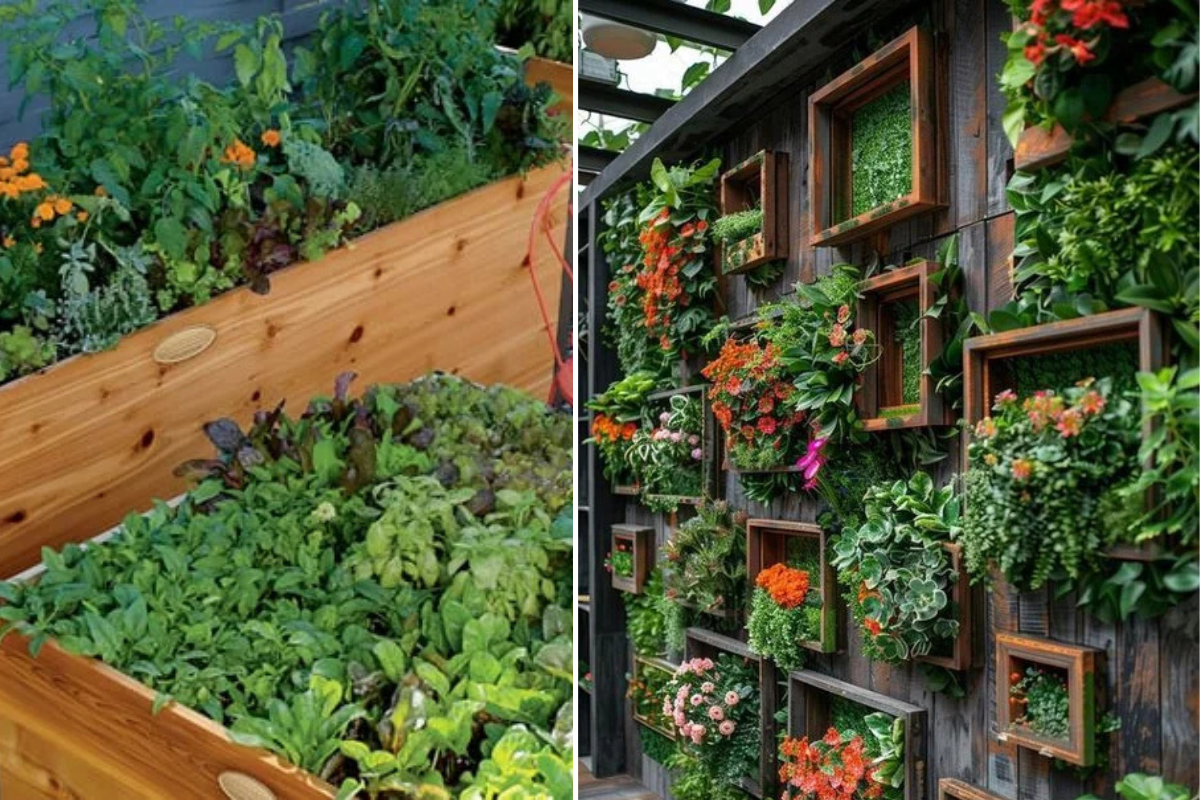
1. Raised Garden Beds
Raised beds are one of the most popular vegetable garden designs for a reason.
They improve drainage, prevent soil compaction, and make gardening easier on your back. You can build them with wood, metal, bricks, or even recycled materials.
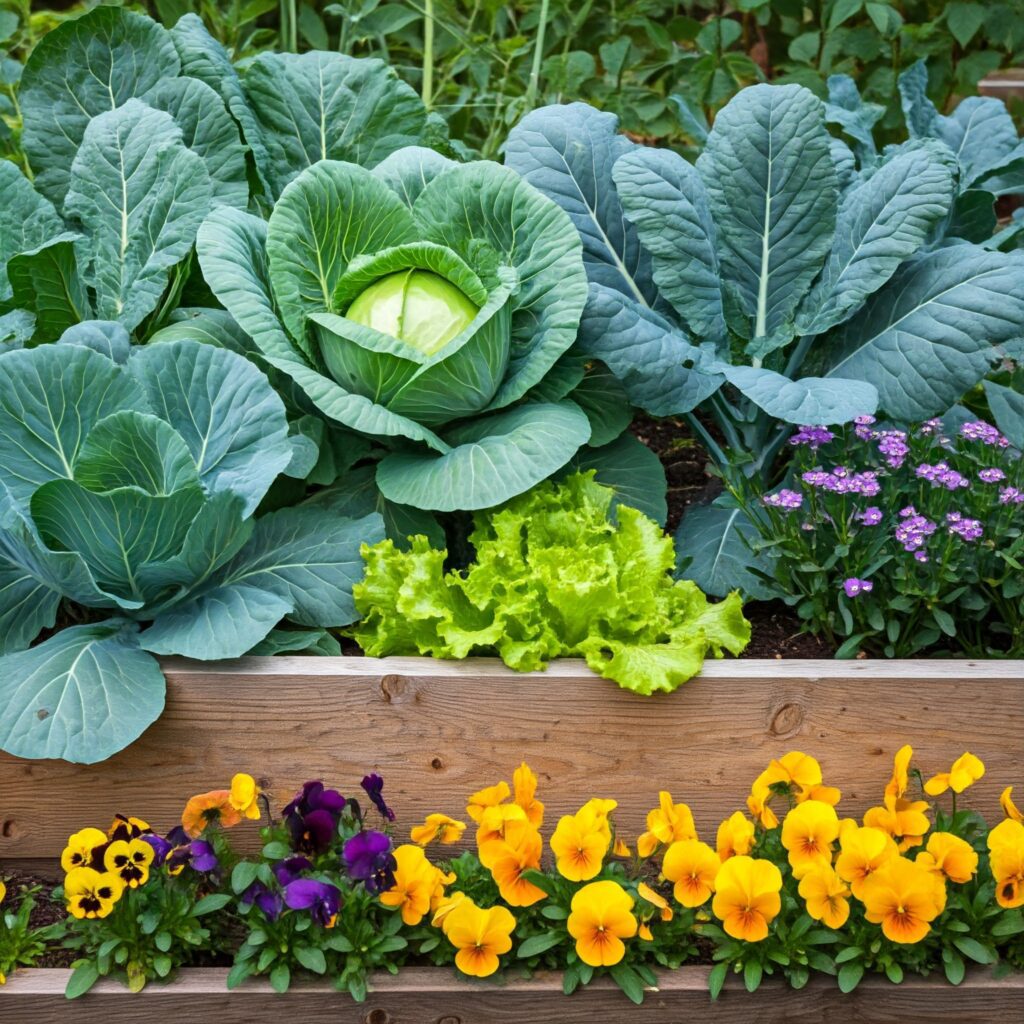
Another advantage is that raised beds allow you to control soil quality, which means healthier plants and better harvests.
2. Container Vegetable Garden
If space is limited, container gardening is a fantastic solution.
You can grow vegetables in pots, buckets, or decorative containers on balconies, patios, or small yards. Tomatoes, peppers, lettuce, and herbs grow beautifully in containers.
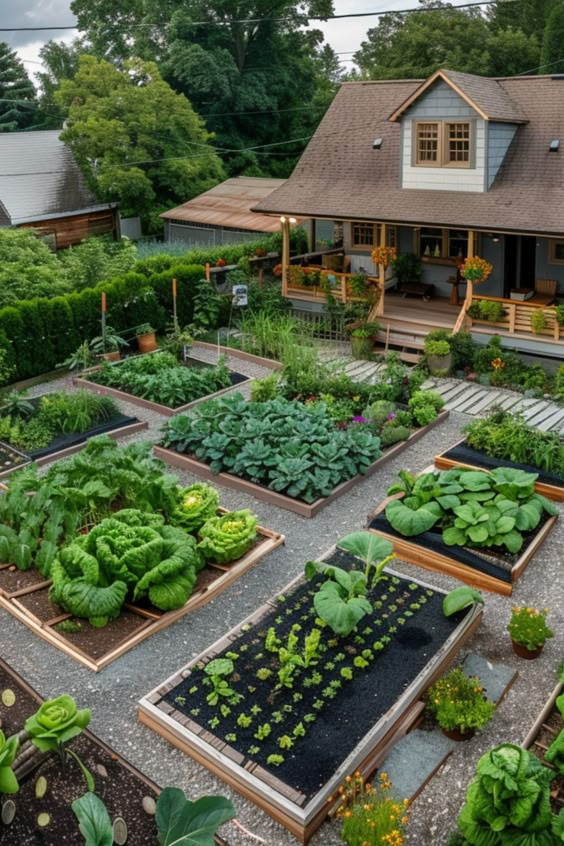
The best part is flexibility — you can move containers around to get the perfect sunlight.
3. Ladder Garden
An old ladder can easily be turned into a creative vertical garden.
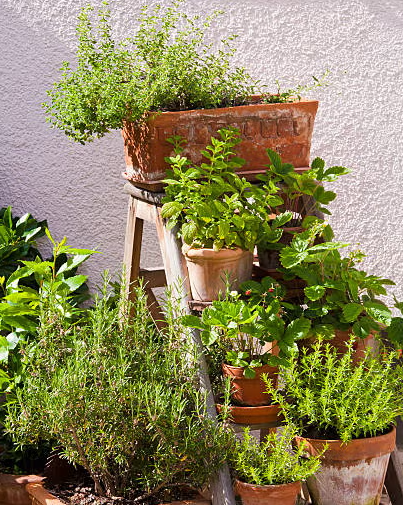
Simply place pots or planter boxes on each step and grow herbs, lettuce, or strawberries. This design is perfect for patios or small outdoor spaces where floor space is limited.
It also creates a charming rustic look in your garden.
4. Greenhouse Vegetable Garden
A greenhouse allows you to grow vegetables almost year-round.
It protects plants from harsh weather and gives you more control over temperature and humidity. Even a small backyard greenhouse can extend your growing season significantly.
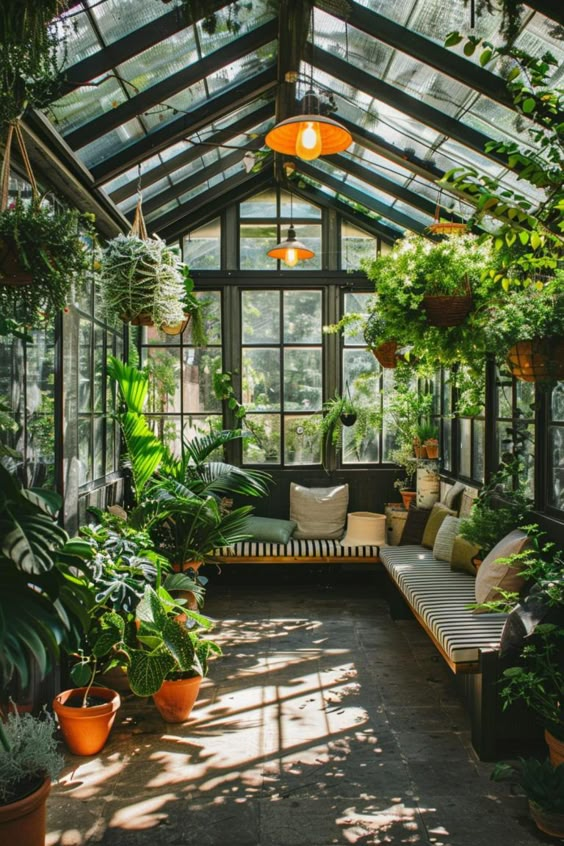
This is ideal for gardeners who want fresh vegetables beyond the typical growing months.
5. Herb Spiral Garden
A herb spiral is both practical and visually striking.
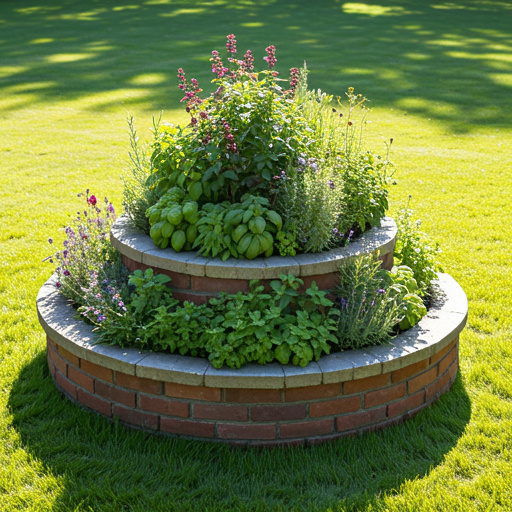
The spiral shape creates multiple growing zones — the top stays dry while the bottom retains more moisture. This allows you to grow different herbs like basil, thyme, oregano, and parsley in the same structure.
It also becomes a beautiful focal point in your garden.
6. Salsa Garden
If you love homemade salsa, this garden idea is perfect.
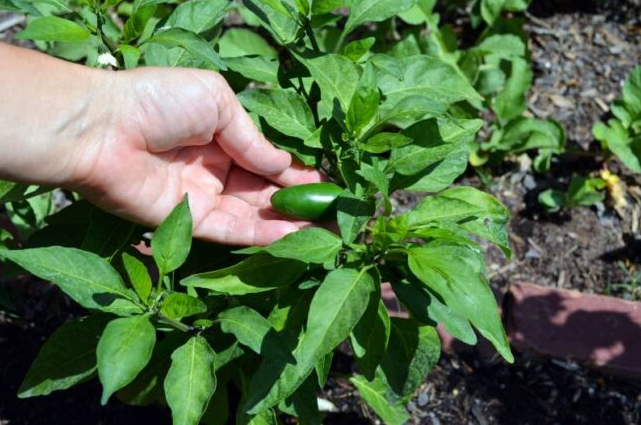
A salsa garden focuses on growing ingredients like:
- Tomatoes
- Jalapeños or chili peppers
- Onions
- Cilantro
Everything you need for fresh salsa can come straight from your garden.
7. Vertical Vegetable Garden
Vertical gardening is perfect for maximizing small spaces.
Using trellises, shelves, wall planters, or garden towers, you can grow climbing vegetables like cucumbers, beans, and peas upward instead of outward.
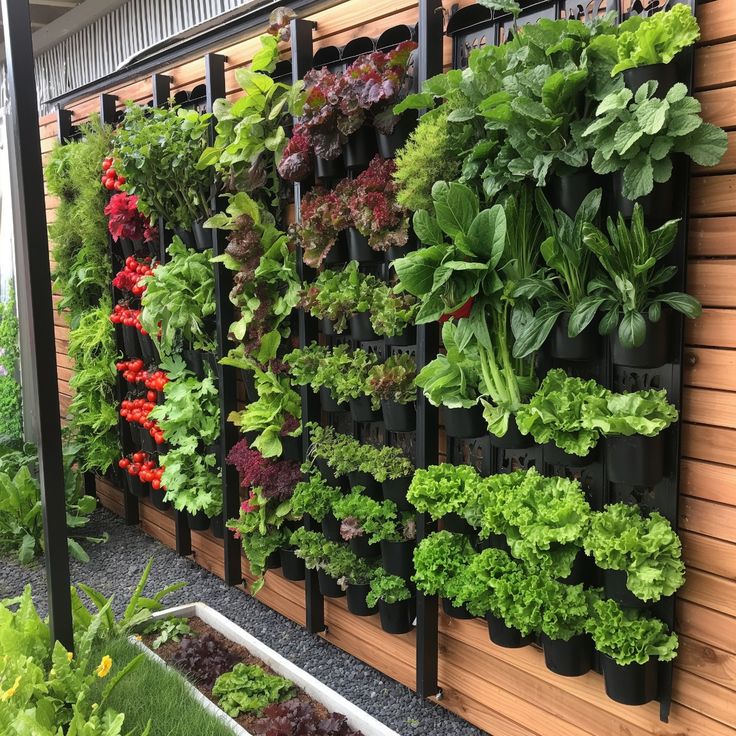
This method saves space while creating a lush green wall in your garden.
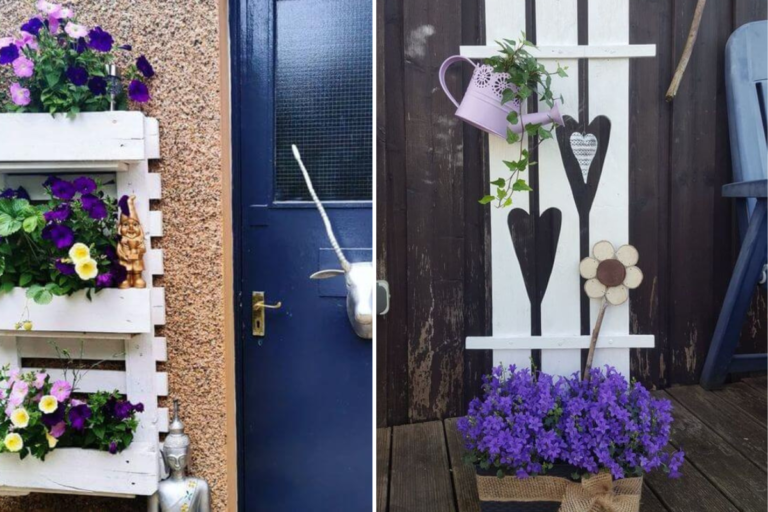
8. Pallet Garden Beds
Wooden pallets can easily be transformed into affordable garden beds.
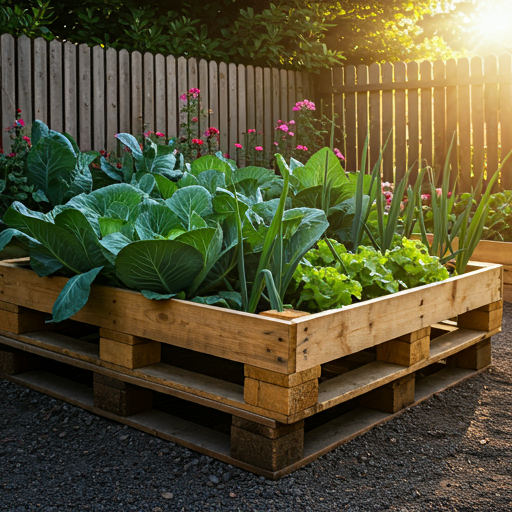
You can lean them vertically against a wall or place them flat on the ground. They are great for growing herbs, leafy greens, and small vegetables.
Pallet gardens are also a sustainable way to recycle materials.
9. Gravel Garden Beds
Gravel gardens are low-maintenance and visually unique.
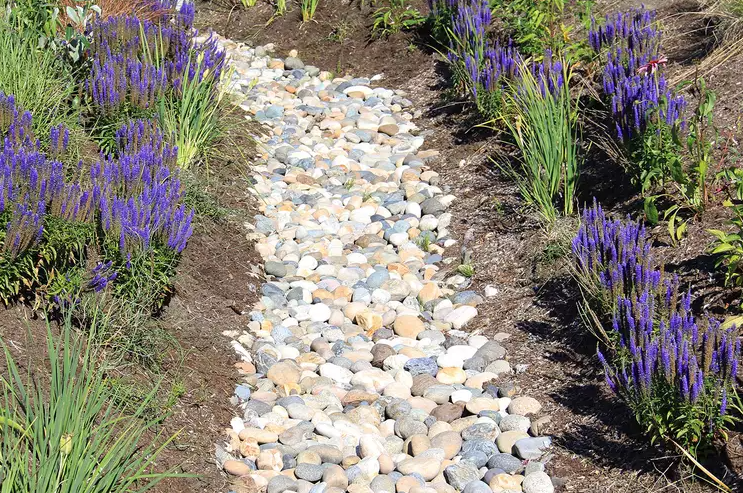
By layering gravel over soil and planting drought-tolerant vegetables or herbs, you reduce weed growth and water usage.
This style works especially well in dry climates.
10. Keyhole Garden
A keyhole garden is a circular raised bed with a compost basket in the center.
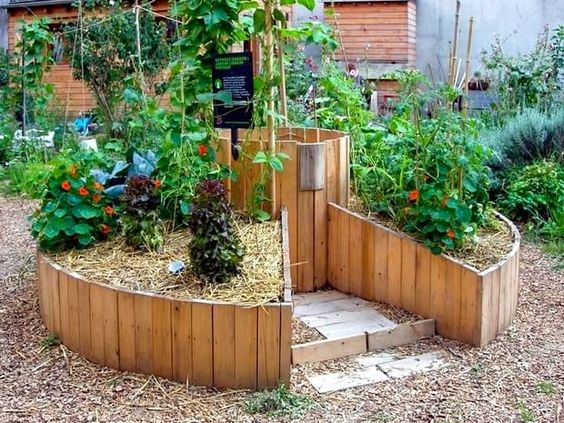
Kitchen scraps and compost placed in the middle feed the surrounding plants naturally. Water and nutrients spread throughout the bed, creating a self-sustaining system.
This design is perfect for eco-friendly gardening.
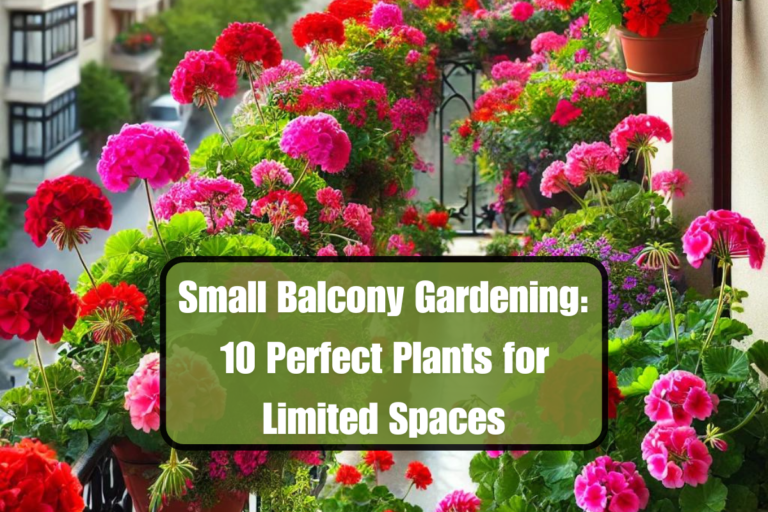
11. Hanging Vegetable Baskets
Hanging baskets are excellent for small spaces.
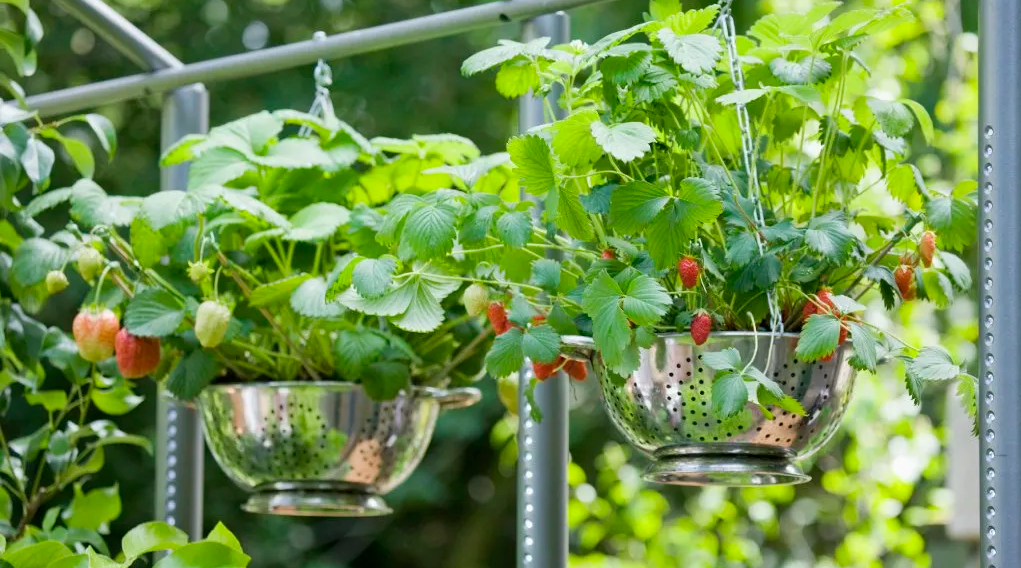
They work well for:
- Cherry tomatoes
- Strawberries
- Herbs
- Lettuce
Hanging planters add greenery to balconies and patios while keeping plants off the ground.
12. Hanging Gutter Garden
Old rain gutters can be turned into a creative vertical garden.
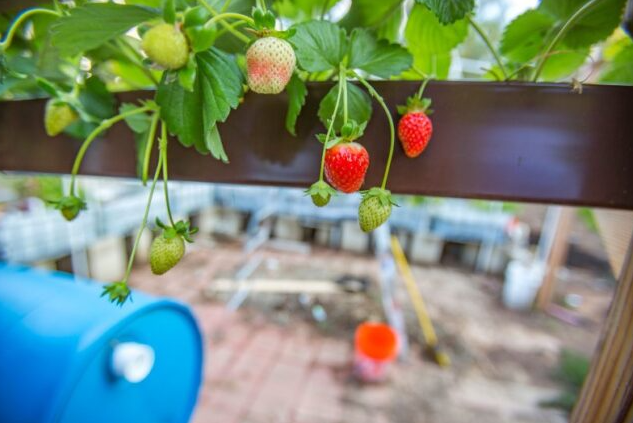
Attach them to a wall or hang them with chains to grow herbs, leafy greens, and strawberries.
This design is affordable, space-saving, and visually appealing.
13. Kitchen Garden Bed
A kitchen garden is placed close to your house for convenience.
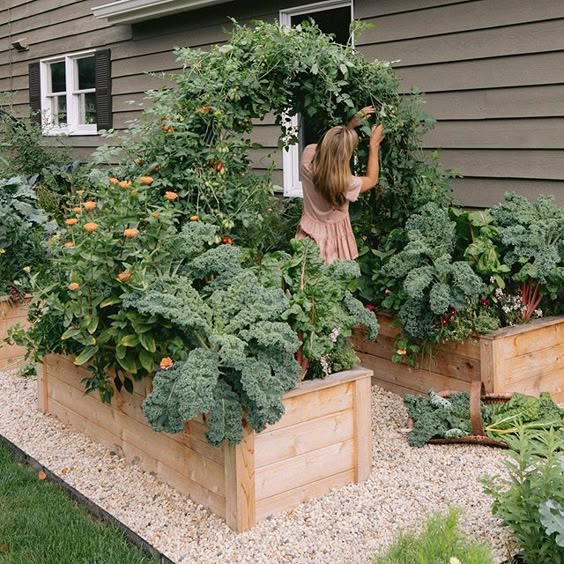
It allows quick access to fresh herbs and vegetables while cooking. Popular plants include basil, mint, parsley, tomatoes, and lettuce.
This layout combines beauty and practicality.
14. Windowsill Garden
Even if you live in an apartment, you can grow vegetables on a sunny windowsill.
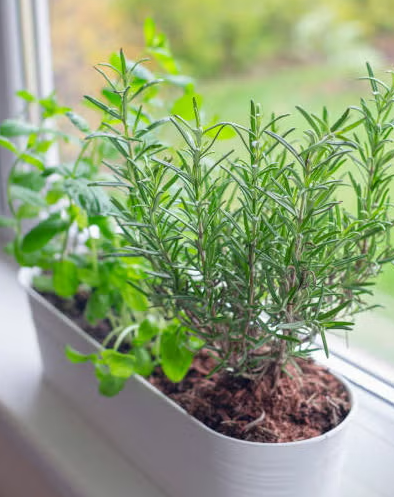
Small herbs and leafy greens grow well indoors with enough sunlight. Basil, parsley, spinach, and lettuce are great choices.
A windowsill garden ensures fresh ingredients are always within reach.
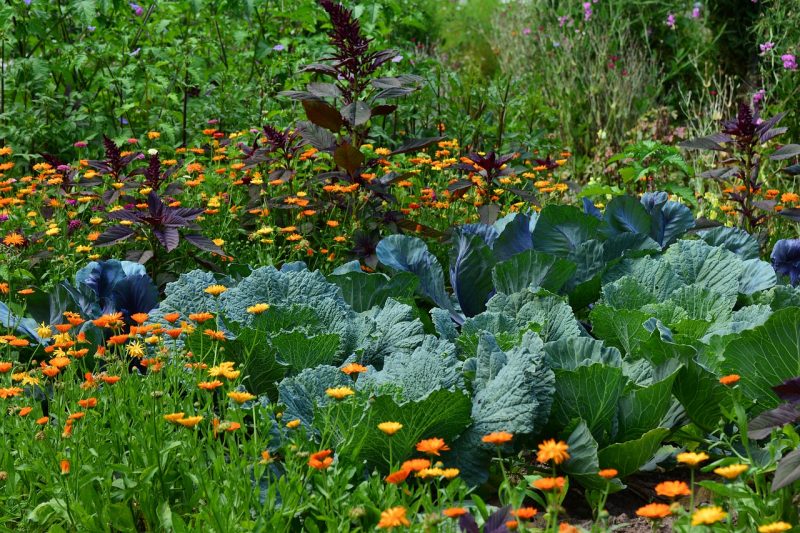
15. Edible Landscaping
Edible landscaping blends vegetables with decorative plants.
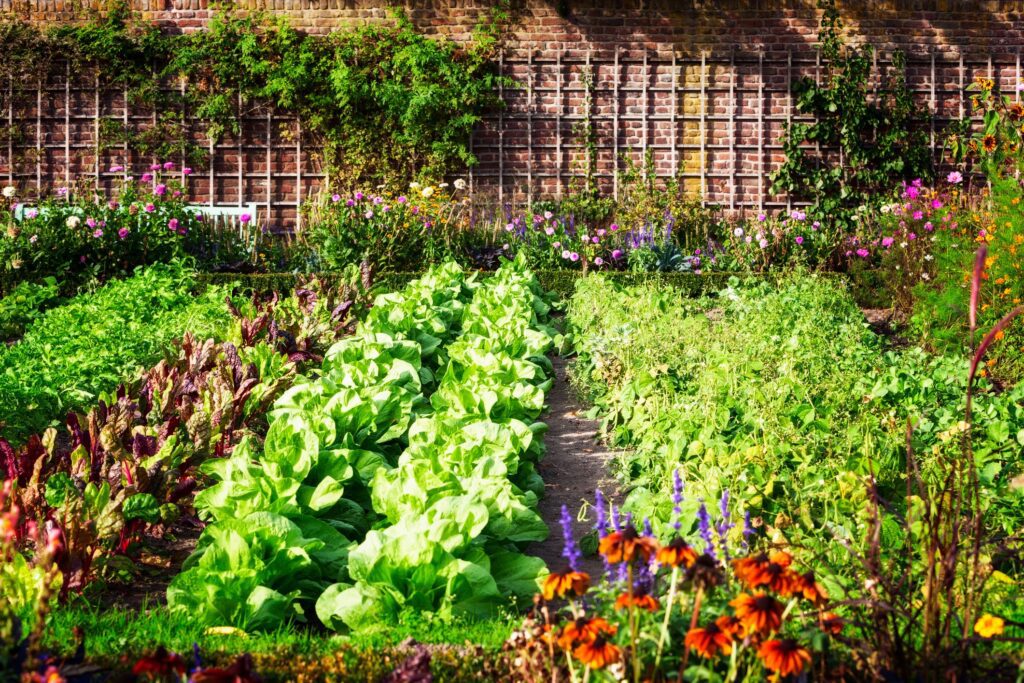
Instead of separating flowers and food plants, you mix them together. Kale, peppers, herbs, and fruit bushes can be part of your landscape design.
This creates a garden that is both beautiful and productive.
16. Wall Garden
Wall gardens are perfect for tight spaces.
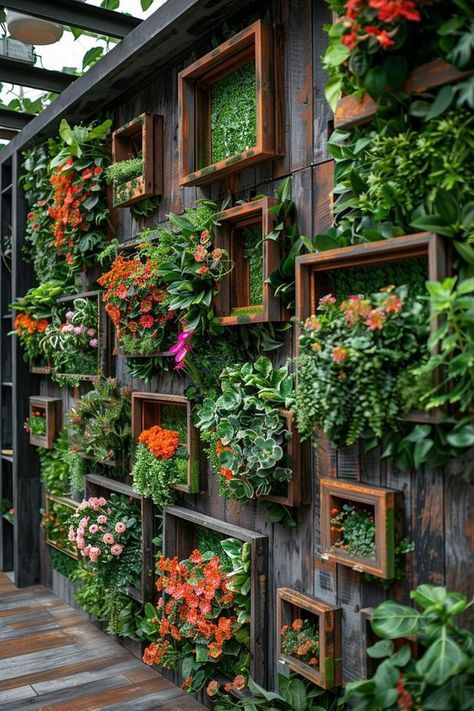
Using mounted planters or pocket panels, you can grow herbs, greens, and even small vegetables vertically on fences or walls.
It transforms empty walls into lush living gardens.
17. Perennial Vegetable Garden
Unlike annual vegetables, perennial plants grow back every year.
Examples include:
- Asparagus
- Rhubarb
- Chives
- Artichokes
Planting perennials reduces maintenance and ensures long-term harvests.
18. Aquaponic Garden
Aquaponics combines fish farming with plant growing.
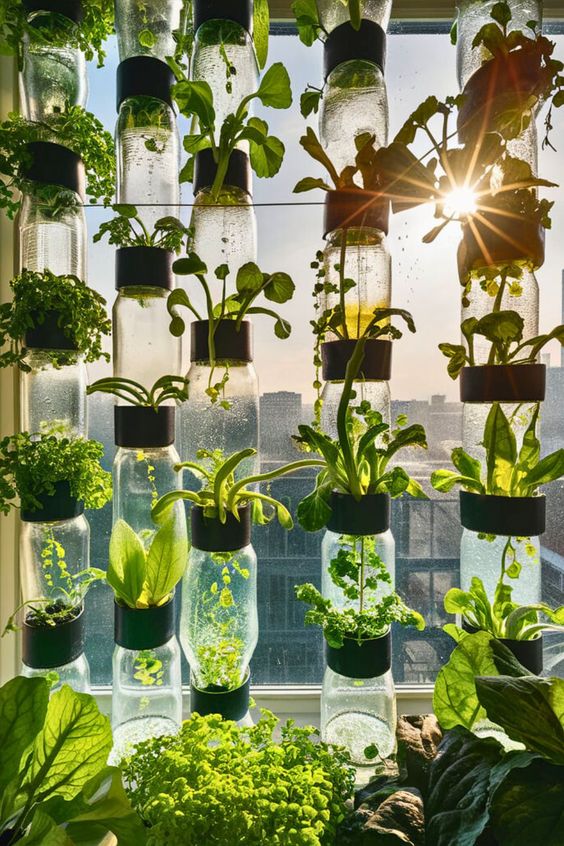
Fish waste provides nutrients for plants, while plants help filter the water. This system creates a sustainable cycle where both fish and vegetables thrive.
It’s a fascinating high-tech approach to gardening.
19. Pocket Garden
Pocket gardens are small fabric or hanging planters with multiple compartments.
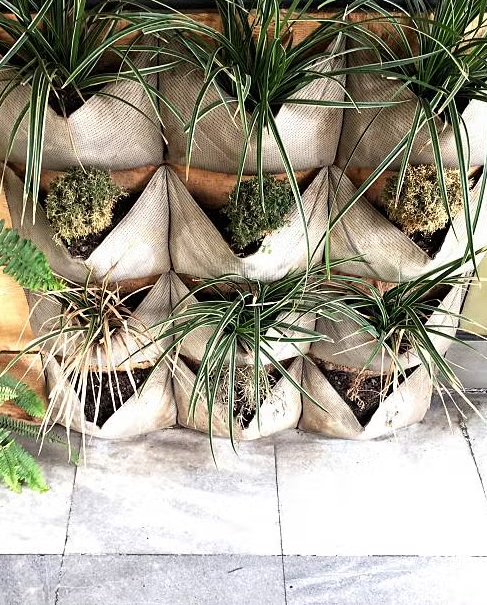
They can be attached to walls or fences and used to grow herbs, lettuce, or small vegetables.
They’re perfect for urban homes with very limited space.
20. Elevated Garden Beds
Elevated beds are raised planting boxes on legs.
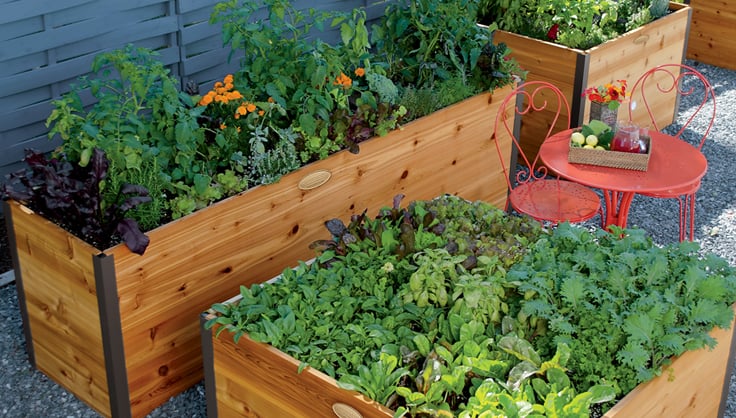
They are ideal for gardeners who prefer not to bend down while working. These beds can also be moved to different areas of the garden depending on the sunlight.
They’re especially helpful for older gardeners.
21. Backyard Vegetable Garden
A traditional backyard vegetable garden allows you to grow a variety of crops in one place.
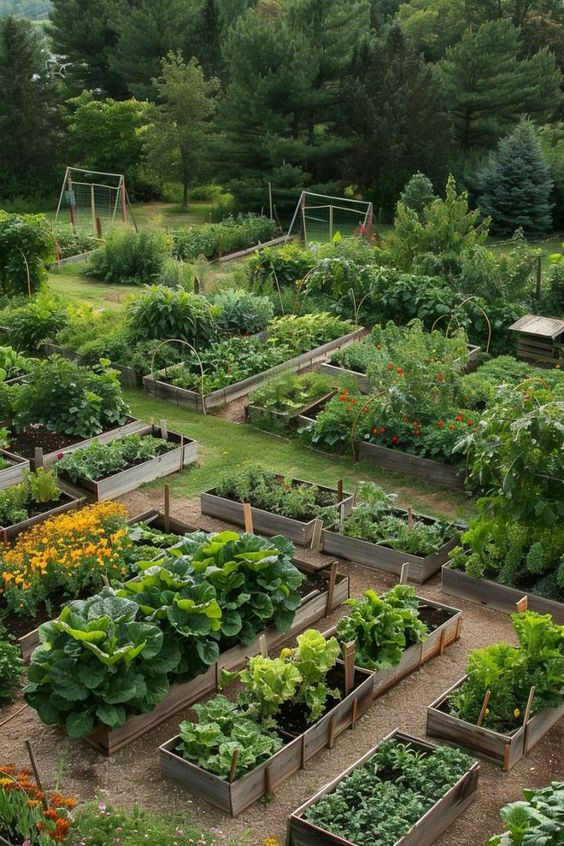
With proper planning, you can grow tomatoes, beans, peppers, lettuce, cucumbers, and many other vegetables throughout the season.
It’s a rewarding way to produce fresh food for your family.
22. Succession Planting Garden
Succession planting ensures continuous harvests.
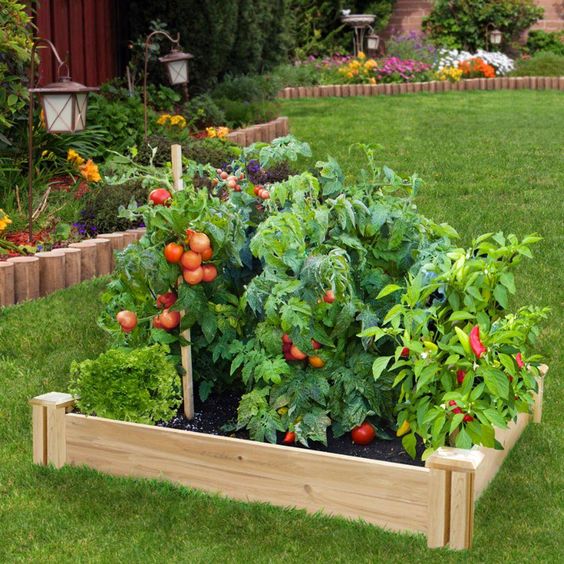
As soon as one crop is harvested, another is planted in the same space. Fast-growing vegetables like lettuce, radishes, and spinach work especially well for this technique.
This keeps your garden productive all season.
23. Community Vegetable Garden
Community gardens allow neighbors to grow food together in a shared space.
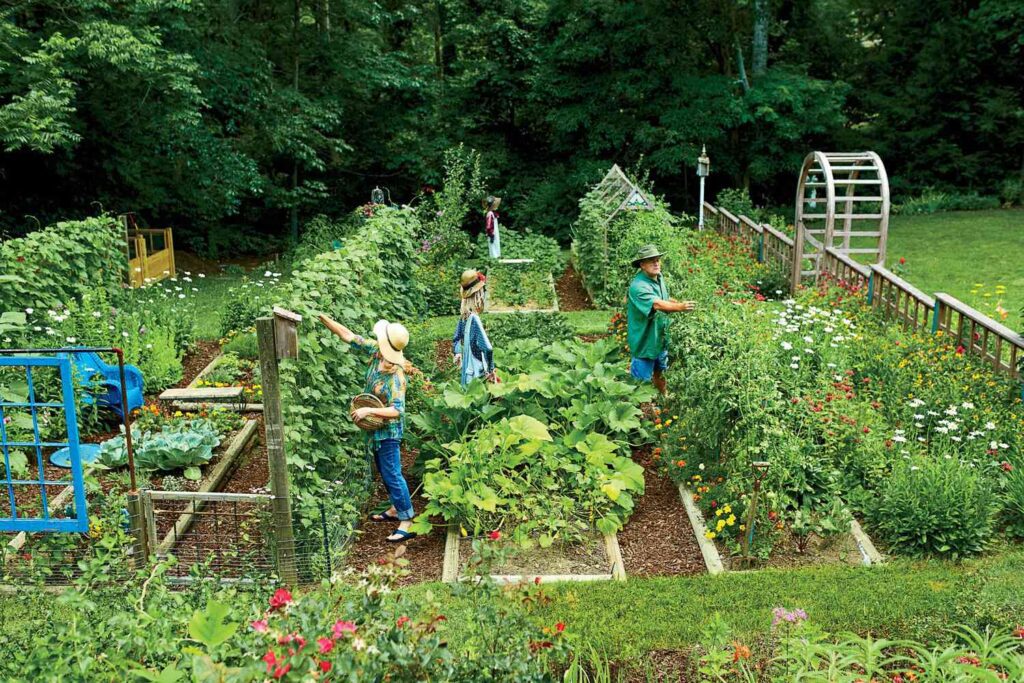
They provide access to fresh produce, encourage social interaction, and promote sustainable gardening practices.
These gardens also create a stronger sense of community.
24. Kids’ Vegetable Garden
Creating a small garden for children can be both fun and educational.
Easy-to-grow vegetables like carrots, radishes, and cherry tomatoes help kids learn about nature, responsibility, and healthy eating.
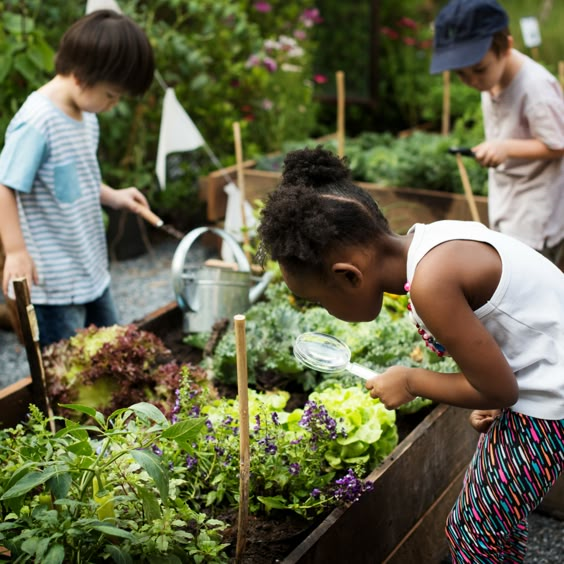
Adding colorful decorations makes the garden even more exciting for them.
25. Straw Bale Garden
Straw bale gardening is an innovative way to grow vegetables.
The straw acts as both a container and a growing medium. It retains moisture and provides good aeration for plant roots.
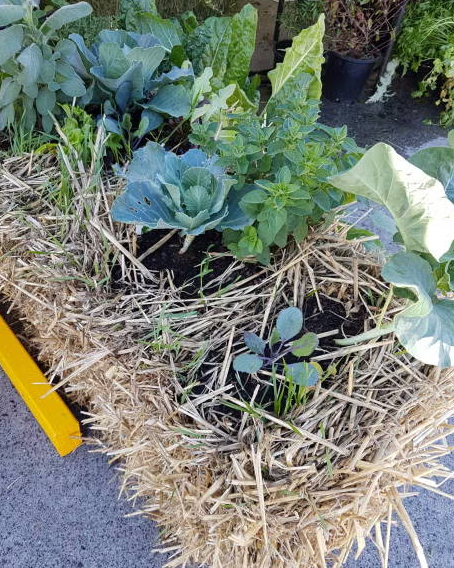
This method is simple, affordable, and surprisingly productive.
Can You Turn Vegetable Gardening Into a Small Business?
Vegetable gardening can also become a profitable small business.
Many people sell their produce through:
- Local farmers markets
- Weekly vegetable boxes
- Supplying restaurants
- Selling seedlings or seeds
With the rising demand for organic food, growing vegetables can create multiple income opportunities.
Final Thoughts
Starting a vegetable garden is one of the best ways to enjoy fresh food, spend time outdoors, and reconnect with nature.
The key is choosing a garden design that matches your space and lifestyle. Whether you try raised beds, vertical gardens, containers, or a backyard farm, every garden starts with a single seed.
Pick your favorite idea, start planting, and enjoy the journey of growing your own food.
Happy gardening!