46 Small Living Room Ideas to Make Your Space Feel Bigger and Stylish
A small living room can be just as stylish and practical as a larger one. With smart furniture choices, a thoughtful layout, the right color palette, and well-planned storage, decor, and lighting, even a compact space can feel open and inviting.

Below, you’ll find small living room ideas in a variety of styles designed to help you make the most of every square inch—while keeping your space elevated, comfortable, and full of personality.
1) Limit the Color Palette
A limited color palette can instantly make a small living room feel larger and more cohesive. Sticking to closely related tones helps the eye move smoothly through the space instead of stopping at bold contrasts.
:max_bytes(150000):strip_icc():format(webp)/154844841_1913837928767303_4703053855314656226_n-7776f09f3d67417caf5a7bd062c1acd1.jpg)
As Gian Moore explains, keeping everything within the same tonal family creates visual flow. Monochromatic shades and subtle variations of one color add depth without overwhelming the room.
2) Choose a Strong Anchor Piece
One well-chosen anchor piece can define a small living room beautifully. A sectional sofa, for example, offers ample seating while keeping the layout streamlined and intentional.

Instead of crowding the space with extra furniture, pair your main piece with one or two accent chairs. This approach keeps the room open, balanced, and easy to move through.
3) Layer Your Lighting
Good lighting can completely change how a small living room feels. Layering different light sources—overhead fixtures, table lamps, floor lamps, and wall lights—adds both function and atmosphere.
:max_bytes(150000):strip_icc():format(webp)/241791572_212003384294928_1925123565378044744_n-3dceead11099472ca283f51eea10a0f3.jpg)
Mix task lighting for reading with softer ambient light to create depth. Wall-mounted lights that shine up and down are especially effective, as they draw the eye upward and make the room appear taller.
4) Create a Tonal Look
Using multiple shades of the same color is a smart way to add dimension without visual clutter. A tonal palette keeps the space feeling calm while still allowing for texture and interest.
:strip_icc():format(webp)/emerald-jade-linen-living-room-634212b9-aba4f2b1d3664aa6bd3c729b8e23ec37.jpg)
Layering similar hues across furniture, walls, and built-ins helps a small living room feel intentional and well-designed—proving that subtle color can be just as impactful as bold contrast.
5) Open Up the Walls
If you’re a homeowner, opening up walls can completely transform a small living room. Removing visual barriers allows natural light to flow freely, instantly making the space feel brighter and more open.
:max_bytes(150000):strip_icc():format(webp)/236608877_287634333162970_6363336183903051726_n-63ab3e1976184317bdc51527a780339c.jpg)
According to Kate Diaz, features like floor-to-ceiling windows, glass doors, or side panels help expand the room visually. Pair that with light-colored walls and crisp white trim, and even the smallest living room can feel surprisingly spacious.
6) Hang Smaller Artwork
In a small living room, less wall art is often more effective. Choosing smaller pieces gives your walls room to breathe and prevents the space from feeling cluttered or heavy.

Rather than filling every blank spot, display artwork that truly matters to you. A few meaningful pieces arranged thoughtfully will make the room feel more personal—and visually larger.
7) Use Multipurpose Furniture
Multipurpose furniture is a game-changer in small living rooms. Pieces that serve more than one function help you save space without sacrificing comfort or style.

Think bookshelves placed near windows that double as cozy seating, or an upholstered ottoman that works as a coffee table and extra seat when guests come over. Smart furniture choices like these keep your living room flexible, functional, and uncluttered.
8) Hang Decorative Mirrors
Mirrors are one of the easiest and most effective tricks for making a small living room feel larger. They reflect both light and space, instantly creating a brighter, airier atmosphere.
:max_bytes(150000):strip_icc():format(webp)/245125493_568030021130406_8454847326899775633_n-50a227c4545443c3aa8474dcffd78351.jpg)
According to Kate Diaz, placing a mirror near the entrance or leading into the living room helps bounce natural light around the space, giving it a more open and welcoming feel.
9) Contrast Walls and Floors
Light-colored walls are a go-to for small spaces, but pairing them with darker floors can add warmth and depth. This contrast grounds the room while keeping it visually clean and balanced.
:max_bytes(150000):strip_icc():format(webp)/242726008_4330372480381664_2580302170612988934_n-81e4e4f71a0744a6bfa84f053cebbc44.jpg)
The combination of bright walls and deeper flooring tones creates definition without making the space feel closed in—perfect for a cozy yet modern small living room.
10) Be Strategic With Artwork
Artwork adds personality, but placement matters in a small living room. Instead of spreading art across every wall, focus on one key area—like the space above your sofa.
:max_bytes(150000):strip_icc():format(webp)/224305597_518046252636206_1433664078837913305_n-6b02a73672db4a3fa582ec080e369c64.jpg)
This approach keeps visual clutter to a minimum while still making a strong design statement. One well-placed piece can do far more than several scattered ones.
11) Consider Wall Sconces
Wall sconces are a smart lighting solution when floor or table space is limited. They brighten the room without adding bulk and help draw the eye upward.
:max_bytes(150000):strip_icc():format(webp)/186870571_465950291354873_575657243254095450_n-04f11b0800594658822d1b1c032a4e1d.jpg)
Try grouping sconces together for a bold feature wall, or place them above picture windows to create a gallery-style effect that feels intentional and elegant.
12) Move Decor Around
Decluttering instantly makes a small living room feel more spacious. Instead of removing decor completely, try rotating items and placing them in different spots around the room.
:max_bytes(150000):strip_icc():format(webp)/240887869_540689606999660_7036029320772876038_n-f3d44753d9ec4ce1840cc1b24f6208ee.jpg)
This simple refresh keeps the space visually interesting while allowing your favorite pieces to stand out—without overwhelming the room.
13) Decorate With Vases
You don’t have to skip decor to keep a small living room looking tidy. Thoughtfully chosen vases add texture and visual interest without making the space feel crowded.
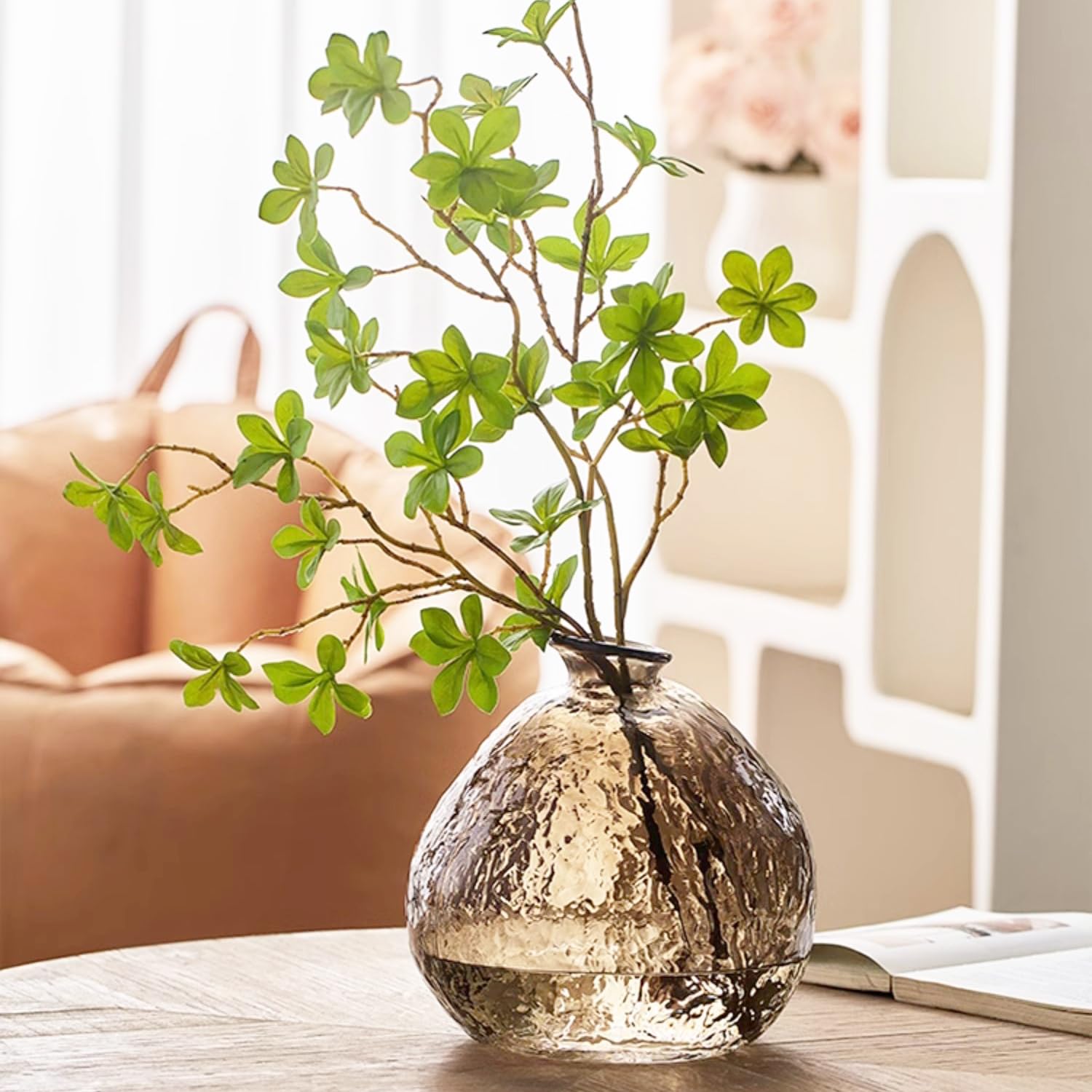
Tall glass or porcelain vases work especially well, as they create a clean, elegant look while keeping the overall styling light and uncluttered.
14) Take Advantage of Alcoves
Alcoves are valuable space-savers in small living rooms. Instead of leaving them empty, use recessed areas for built-in seating or compact sofas.
:max_bytes(150000):strip_icc():format(webp)/195387797_4195965787128533_680017464063907032_n-416c84a970b54d608c5f68e7d5762814.jpg)
Tucking furniture into these nooks helps maximize floor space while creating cozy, functional seating zones that feel intentional and well-designed.
15) Minimize the TV
A large TV can easily dominate a small living room if it’s not styled carefully. One smart trick is to blend it into the background using a darker wall color.
:max_bytes(150000):strip_icc():format(webp)/Modern-farmhouse-Loft-3-scaled-8f0f5435c6b34697aaf0d5ad049001fe.jpeg)
Painting the TV or fireplace wall in a deep shade helps the screen visually recede, making the room feel more balanced and less tech-heavy.
16) Install Open Shelving
Open shelving is a great way to display decor and personal items without adding bulky furniture. It keeps the room feeling open while still offering storage.
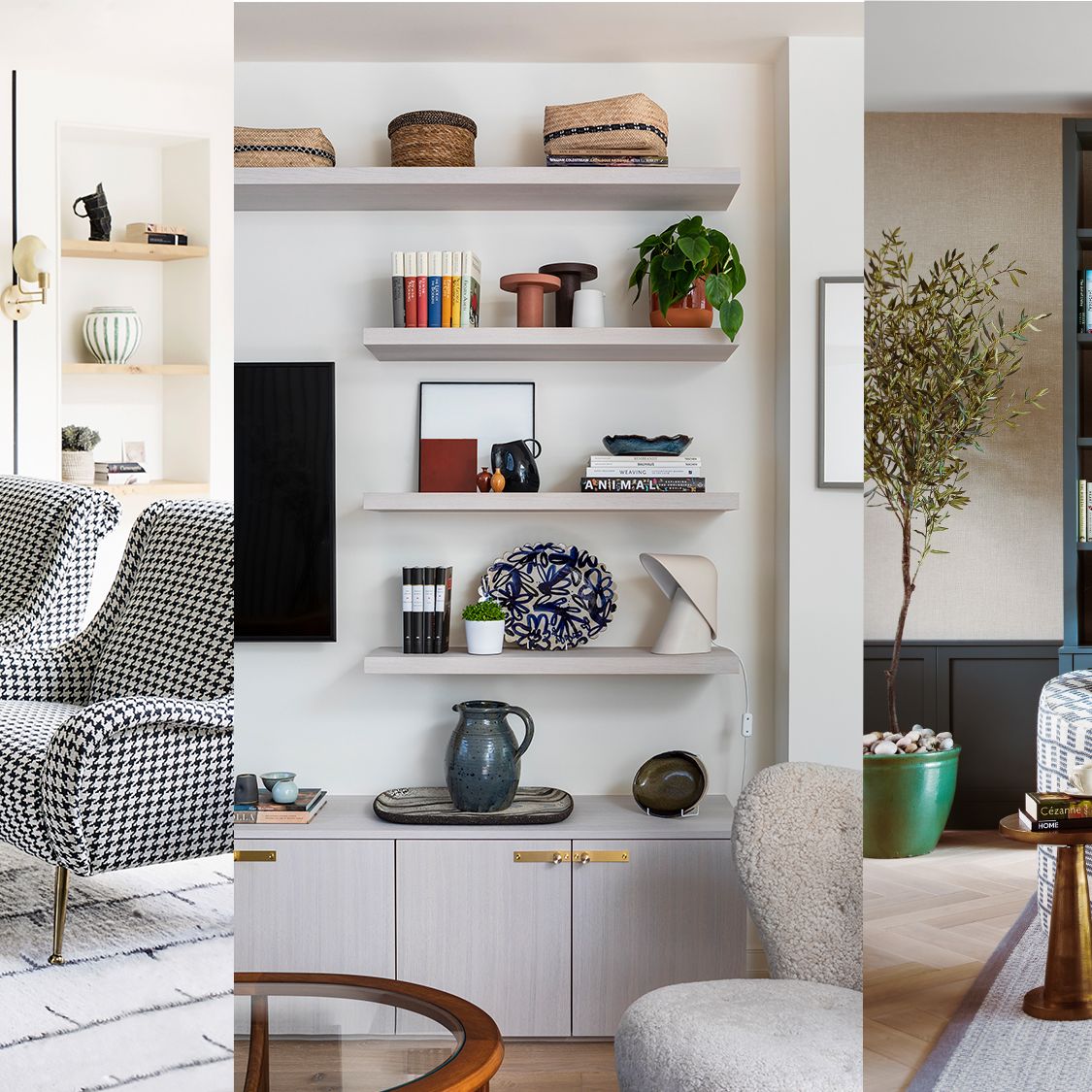
The key is styling with restraint—keep shelves organized, well-spaced, and uncluttered, so they enhance the room rather than overwhelm it.
17) Choose Neutral Wall Paint
Painting walls in a single neutral shade helps a small living room feel larger and more cohesive. Soft neutrals reflect light and create a calm, airy foundation.
:max_bytes(150000):strip_icc():format(webp)/247909322_468164974485416_8629010524917153248_n-5b70076232e0416ab1e25ff3829ad193.jpg)
If you want to add personality, bring in color through furniture, pillows, or accessories instead of the walls.
18) Vary Furniture Heights
Using furniture with different heights and depths adds dimension to a small living room. This variation keeps the space visually interesting and prevents it from feeling flat.
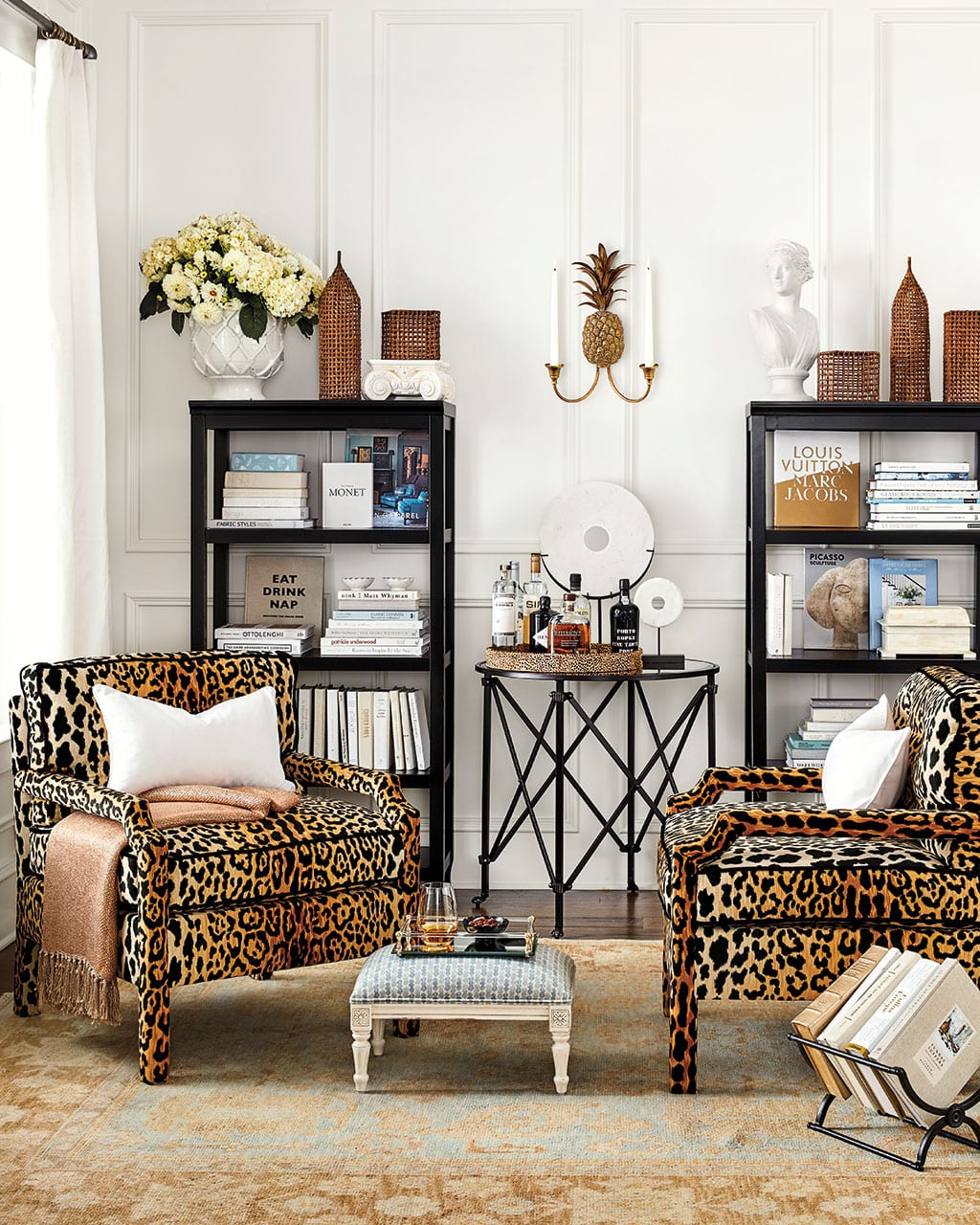
Low-profile sofas, in particular, help make ceilings appear taller, giving the room a more open feel.
19) Choose Neutral Rugs
Neutral rugs are a simple way to make a small living room appear larger. Light-colored textiles reflect more light, helping the space feel bright and spacious.
:max_bytes(150000):strip_icc():format(webp)/187679395_376919440362164_1696107877838014550_n-b40d580a2c014ba0955f034f369a9ac5.jpg)
Choosing subtle patterns or solid tones keeps the floor visually calm and prevents the room from feeling crowded.
20) Optimize Vertical Space
When floor space is limited, vertical space becomes essential. Using walls for storage and decor helps keep the room functional without sacrificing openness.

Wall-mounted cabinets, floating shelves, or slim coffee tables with built-in storage free up valuable floor area while keeping the living room organized and stylish.
21. Keep It Minimalist
A minimalist approach helps a small living room feel lighter and more open. Fewer pieces, clean lines, and thoughtful placement prevent the space from feeling crowded. Choose only what you truly need and let the room breathe.
:max_bytes(150000):strip_icc():format(webp)/239680725_390507192430814_6782142411058635359_n-9a83ef4f2b69411994afaea81325f4c4.jpg)
22. Consider Mirrored Furniture
Mirrored furniture reflects light and visually expands the room. Even one mirrored piece, like a cabinet or side table, can brighten dark corners and make the space feel more open and airy.
:max_bytes(150000):strip_icc():format(webp)/Cottage-Style-Living-Room-2c160e7b913446d6bf71e8126edc7889.jpeg)
23. Work Those Weird Angles
Awkward layouts and odd angles don’t have to be a drawback. Treat them as a design opportunity to shift focus away from size. Gallery walls, bold decor, or jewel-box styling can make the space feel intentional and unique.
:max_bytes(150000):strip_icc():format(webp)/243327893_916983729222548_5133534337834614186_n-c7462796f977414eacb4effdeac5aa72.jpg)
24. Optimize Natural Light
Natural light instantly makes a small living room feel bigger. Use sheer curtains, keep windows clean, clear window sills, and place mirrors where they can reflect daylight throughout the room.
:max_bytes(150000):strip_icc():format(webp)/221272564_572093617139405_1749454602808476553_n-add58c8646dd443c8b28f588baefb43c.jpg)
25. Choose a Light Palette
Light color palettes help small rooms feel spacious. Shades like white, cream, and soft neutrals reflect light and create an open, airy atmosphere instead of closing the space in.
:max_bytes(150000):strip_icc():format(webp)/200235983_388497575876131_8158585681672636366_n-0e75b709652d40d2a841a374f550e708.jpg)
26. Avoid Statement Rugs
Bold or high-contrast rugs can visually shrink a small living room. Subtle, neutral rugs keep the floor calm and help the space feel cohesive.
:max_bytes(150000):strip_icc():format(webp)/152086432_731923437687212_3521848738487132275_n-cf2fd03340634e5082f15ca62f0e9776.jpg)
27. Hang Mirrors Strategically
Placing mirrors opposite windows reflects natural light and doubles the sense of space. Mirrors on facing walls can also create depth and openness.
:max_bytes(150000):strip_icc():format(webp)/247245600_4423032271106912_5874911434721229153_n-aa7f183e948d4f28bf4ba8678531eff4.jpg)
28. Choose Furniture With Legs
Furniture raised off the floor makes more of the room visible. This simple visual trick helps the living room feel lighter and more spacious.
:max_bytes(150000):strip_icc():format(webp)/118676127_1509440499243897_8841800490838655671_n-d2b886bd51fc40d285d8754cbca74ce4.jpg)
29. Embrace Beige
Beige and taupe are great alternatives to white. These light neutrals reflect light while adding warmth, making small living rooms feel comfortable and open.
:max_bytes(150000):strip_icc():format(webp)/225097016_169011088628645_233328892706112303_n-acaba31c1f9748d79ec89f7d2f23ad6a.jpg)
30. Incorporate Negative Space
Leaving some areas intentionally empty allows the room to breathe. Open space creates balance, comfort, and visual clarity.
:max_bytes(150000):strip_icc():format(webp)/252469373_906785016906077_5455059979004197963_n-95aea77152c942559c12511fb81ec34a.jpg)
31. Organize With Modular Pieces
Modular storage keeps clutter hidden while maintaining a clean look. Slim cabinets and drawers provide storage without taking up much floor space.
:max_bytes(150000):strip_icc():format(webp)/240412260_999156314210333_3009097823070497645_n-229115564ee642b9b12daa8a545b4cf6.jpg)
32. Create a Focal Point
A clear focal point helps organize the furniture layout. Anchoring the room around one feature brings structure and timeless appeal.
:max_bytes(150000):strip_icc():format(webp)/1920s-Tudor-1-b5bde58ce50d48838fc259898d779ea0.jpeg)
33. Consider a Low Sofa
Low-profile seating makes ceilings appear higher. This creates a more open and relaxed feeling in a small living room.
:max_bytes(150000):strip_icc():format(webp)/187699497_120360723498555_7803480953559594028_n-51f4a45356ed4152b0c9141bf1a8cb04.jpg)
34. Add Texture
Texture adds depth when color is kept minimal. Mixing fabrics, finishes, and materials keeps the space warm and visually interesting.
:max_bytes(150000):strip_icc():format(webp)/242772838_442409847213461_8838996203176882262_n-4ec6354cef2c48eba7ce904abe9c3144.jpg)
35. Use Cool Shades
Cool shades help maintain flow and openness. They prevent the room from feeling congested while keeping it calm and balanced.
:max_bytes(150000):strip_icc():format(webp)/255414774_1399537360443216_6083244981259115177_n-4622263a571a4005ab744e4b272bb979.jpg)
36. Go Monochromatic
A monochromatic scheme creates unity. Too many contrasting colors divide the space and make it feel smaller.
:max_bytes(150000):strip_icc():format(webp)/199181695_227402885619257_545708248628912836_n-7e57a4b2868645298259a3cc843c1134.jpg)
37. Commit to Black and White
Black and white palettes give a clean, modern look. Adding wood tones or greenery keeps the space from feeling too stark.
:max_bytes(150000):strip_icc():format(webp)/139680962_197477852069669_2484909128647888476_n-ee148770dbd64a038c0e5f71a0963098.jpg)
38. Draw the Eye Upward
Vertical elements like tall shelving or statement lighting make ceilings appear higher, enhancing the sense of space.
:max_bytes(150000):strip_icc():format(webp)/252335849_569386424149909_4125936970628250065_n-6ab6bf244a4d4c2998804bd8e588d604.jpg)
39. Choose an All-White Palette
All-white living rooms reflect light beautifully, making small spaces feel brighter, cleaner, and more open.
:max_bytes(150000):strip_icc():format(webp)/248959853_463960495008049_5239724141307197436_n-fad7bd89d32f49eab5acf56e3d38fd7b.jpg)
40. Lose the Drapes
Heavy curtains can block light and views. Blinds or roller shades keep windows open and help the room feel less closed in.
:max_bytes(150000):strip_icc():format(webp)/260055357_1017140099144425_3499112454847006437_n-73f6cb51952a4ea99a831be4216c5ed3.jpg)
41. Add Budget-Friendly Storage
Simple bookcases or shelving along one wall provide storage without overwhelming the room or requiring built-ins.
:max_bytes(150000):strip_icc():format(webp)/MH_UC_1252_FINAL-2048x1536-21182eee1cee49a7a9523868a2fa316c.jpeg)
42. Opt for Slender Table Legs
Tables with slim or airy bases allow light to pass through, preventing visual heaviness in small spaces.

43. Incorporate a Bar Cart
A bar cart adds function without taking up much room. It’s easy to style and move when needed.

44. Layer Wall Decor
Layered wall decor adds character and depth. Mixing art, mirrors, and subtle color keeps the room visually engaging.
:max_bytes(150000):strip_icc():format(webp)/3AJ_1215_182copy-23a2fbdea47947daaeaaef3826798ac9.jpg)
45. Paint the Walls Yellow
Yellow adds energy and warmth. When balanced with complementary accents, it creates a lively yet welcoming feel.
:strip_icc():format(webp)/eclectic-style-yellow-room-debbb7b2-b9f59ea6063d4ea88f5adb4bdc15d6f2.jpg)
46. Try a Standalone Book Tower
Vertical book towers save space and add personality. They work well in corners or reading nooks without bulky shelving.
:max_bytes(150000):strip_icc():format(webp)/SFinteriors-41-77f48855f8554589a11adf4d1cd74255.jpg)
Final Thoughts
A small living room doesn’t have to feel cramped or limiting. With smart furniture choices, a thoughtful layout, and the right mix of colors, lighting, and storage, even the smallest space can feel open, stylish, and comfortable.
The key is to focus on balance—using light wisely, keeping clutter under control, and choosing pieces that work harder without overwhelming the room. When every element has a purpose, a small living room can feel just as inviting and functional as a much larger one.